Table Saw Safety: Essential Rules Every Woodworker Must Follow
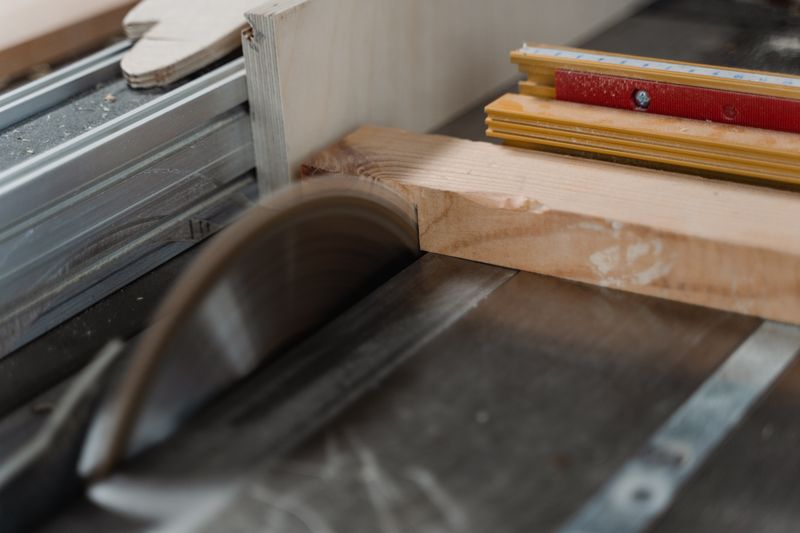
The table saw is the most versatile and most dangerous tool in the woodworking shop. According to the Consumer Product Safety Commission, table saws cause an estimated 30,000 injuries annually in the United States, with thousands resulting in amputations. These statistics are sobering, but nearly all table saw injuries are preventable when you understand the hazards and follow proper safety procedures. This guide covers the essential safety rules that every woodworker must follow.
Understanding Kickback
Kickback is the single most dangerous table saw hazard. It occurs when the workpiece pinches between the blade and the fence, causing the wood to be violently thrown back toward the operator at high speed. A piece of wood thrown by kickback can cause serious blunt force trauma, and the instinctive reaction to reach toward the blade puts your hands in extreme danger.
To prevent kickback, always use a splitter or riving knife. These devices sit behind the blade and keep the kerf open, preventing the wood from pinching. Never remove the riving knife from your saw — it is there for a reason. Use push sticks or push blocks for any cut where your hands would come within six inches of the blade. Keep the blade height set no more than 1/4 inch above the thickness of the workpiece.
Essential Safety Equipment
Blade Guard: The clear plastic guard that covers the blade is your first line of defense. While it can be removed for specific cuts (like dadoes or non-through cuts), it should always be in place for standard ripping and crosscutting. Modern guards with anti-kickback pawls and dust collection are far less obtrusive than older designs.
Push Sticks and Push Blocks: Always use push sticks when ripping narrow stock. A push stick keeps your hands well away from the blade while maintaining control of the workpiece. Keep several push sticks within arm’s reach at all times. A push block (with a heel that catches the back of the workpiece) provides better control for sheet goods.
Featherboards: Featherboards apply consistent pressure against the fence or table, keeping the workpiece aligned and reducing the chance of kickback. Clamp a featherboard to the fence before the blade for ripping operations.
Hearing and Eye Protection: Table saws produce noise levels above 100 decibels. Wear properly rated hearing protection (NRR 25 or higher) and safety glasses with side shields. A face shield adds an extra layer of protection against flying debris.
Critical Safety Rules
-
Never make freehand cuts. Always use the fence or miter gauge to guide the workpiece. Freehand cutting is the number one cause of serious table saw injuries.
-
Never use the fence and miter gauge together. This traps the offcut between the blade and fence, causing kickback. Use the fence for ripping (cuts parallel to the grain) and the miter gauge for crosscutting (cuts across the grain).
-
Stand to the side. Position your body slightly to the left of the blade, not directly behind it. If kickback occurs, the wood flies straight back, not into you.
-
Unplug before adjusting. Always unplug the saw before changing blades, adjusting the fence, or performing any maintenance. A saw that starts unexpectedly can be deadly.
-
Keep the table clean and clear. Offcuts and debris on the saw table can interfere with your cut and create hazards. Clear the table between cuts.
-
Never reach over a spinning blade. Wait until the blade comes to a complete stop before reaching for offcuts or making adjustments. Use a push stick to clear small pieces.
-
Support long stock properly. Use outfeed supports or a helper when cutting long boards. An unsupported board can tip and cause kickback or pull your hands toward the blade.
Technology Safety Features
Modern table saws offer safety technologies that were unavailable a generation ago. SawStop technology detects skin contact and stops the blade within milliseconds, dropping it below the table. While this technology adds cost, it has prevented thousands of serious injuries. Other saws feature flesh-detection systems and improved guard designs.
Regardless of technology, no safety feature replaces proper technique and undivided attention. Treat every cut with respect, follow these rules without exception, and the table saw will be the most productive tool in your shop.
Pre-Cut Safety Checklist
Make a short pause before every cut. Confirm the blade is sharp, tight, and appropriate for the material. Check that the riving knife is aligned with the blade and that the guard can move freely. Set the blade just high enough to clear the workpiece, then lock the fence and verify the measurement at the front and back of the blade.
Look at the full path of the board, not just the first six inches. Long stock needs infeed and outfeed support. Sheet goods need enough table or track-saw support that they cannot tip. Small parts should be handled with a sled, miter gauge, or push block rather than fingers near the blade. If you cannot describe where both hands will be at the start, middle, and end of the cut, stop and redesign the setup.
Safer Alternatives for Awkward Cuts
Some cuts do not belong on the table saw. Very short pieces can rotate into the blade; use a crosscut sled, miter saw, or hand saw instead. Warped lumber can pinch the blade unpredictably; joint one face and edge first or break the board down with a circular saw. Thin strips trapped between the blade and fence can kick back; move the fence to the waste side or use a dedicated thin-rip jig.
When cutting dados, rabbets, or bevels, remove only the safety devices required for that cut and reinstall them immediately afterward. Keep a written checklist near the saw if needed. The safest woodworkers are not the ones who rely on memory; they are the ones who make the safe setup the easiest setup to repeat.
Fatigue and Focus
Stop using the table saw when you are tired, rushed, or distracted. Most risky cuts become obvious if you pause long enough to notice them. Make the final cut of the day an easy one, then clean the saw, lower the blade, and leave the next setup for a fresh session.
Related Articles
Controlling the dust your table saw produces is just as important as the safety practices at the blade. The dust collection workshop setup guide explains how to size and design a system for your shop. For another high-powered tool that requires the same disciplined safety habits, the router basics guide covers essential technique and protection. If you are building a workshop from scratch, proper lighting is equally critical — a well-lit shop makes blade alignment and workpiece positioning safer and more accurate.

The Carpenter's Guide Editorial Team
Independent trade-focused editorial team